Clinical Osteopathy

Osteopathy

A movement-based approach treating the root causes of pain, stiffness and postural strain.

How Does Osteopathy Work?

Osteopathy is based on the principle that the body works as a whole. How you move, sit, sleep, or train all affects how your muscles, joints, and nervous system share the load.

When one area becomes stiff or overloaded, others compensate—often leading to discomfort, reduced mobility, or persistent tension.

During your appointment, I assess how your body moves as a unit—not just where it hurts. I look at posture, coordination between key areas like the spine, hips and shoulders, and how specific movements affect your symptoms. This clinical assessment guides targeted treatment aimed at reducing strain, restoring movement, and supporting long-term recovery.

Who I Work With

As a registered osteopath with a background in exercise and rehabilitation, I work with people across South East London who want practical, effective treatment.

I regularly support:
  • Adults with back, neck, shoulder, hip, or knee pain
  • Desk-based workers experiencing postural or repetitive strain
  • Athletes, including runners, gym-goers, swimmers, and footballers
  • People recovering from injury who want structure and guidance

Osteopathy can help manage a wide range of muscle, joint, and movement-related problems. My approach focuses on relieving symptoms while improving mobility, coordination, and control.

A Brief History

Osteopathy was founded in the late 19th century by Dr Andrew Taylor Still in the United States and introduced to the UK by John Martin Littlejohn.

While osteopathy began with a strong emphasis on structure and function, today it is increasingly shaped by evidence-based healthcare principles. Modern osteopaths combine clinical reasoning, hands-on treatment, and movement-based strategies to address musculoskeletal problems in a safe and structured way.

Osteopathy in the UK

In the UK, osteopathy is a statutorily regulated profession, governed by the General Osteopathic Council (GOsC).

To qualify, osteopaths complete a four-year, full-time degree, which includes:

  • In-depth study of anatomy, physiology, and pain science
  • Diagnostic reasoning, and treatment planning
  • Over 1,000 hours of supervised clinical experience

This prepares osteopaths to work as primary healthcare practitioners, always placing patient safety at the heart of decision-making.

Based at Southwark Park Gym (SE16) and in Telegraph Hill (SE14), I draw on this clinical background to help desk-based professionals, footballers, and active individuals recover faster, move pain-free, and build resilient bodies.
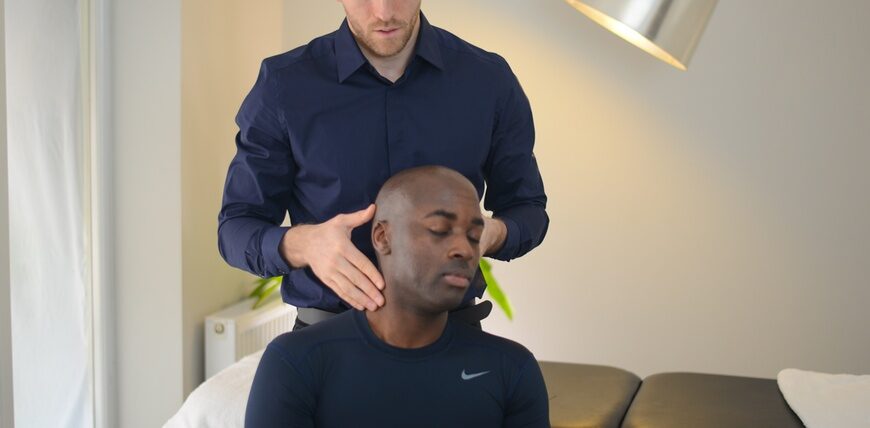
Your First Visit at Momentum Body Clinic
Logistical & Clinical Guide

Your First Visit: What to Expect

Find out what happens at your first consultation—from case history and clinical examination to hands-on treatment and personalized advice.

Read the Guide

Ready to move better and feel more like yourself again? Book your initial osteopathy appointment and take the first step towards less pain and more freedom in your day.

Initial Consultation (60 min) & Follow-up Treatment (45 min) available. View our prices & packages →
Book Your Osteopathy Session
Not sure if Osteopathy is right for you? Get in touch.